Real estate.
Purchase disputes, foreclosure defense, quiet-title actions, HOA fights, easements, construction defects, water rights — real estate is a constellation of distinct case types that share a deed but not a playbook. We match you to a Utah, Idaho, or Wyoming attorney whose case history fits the specific problem and the specific property type.
Tell us what happened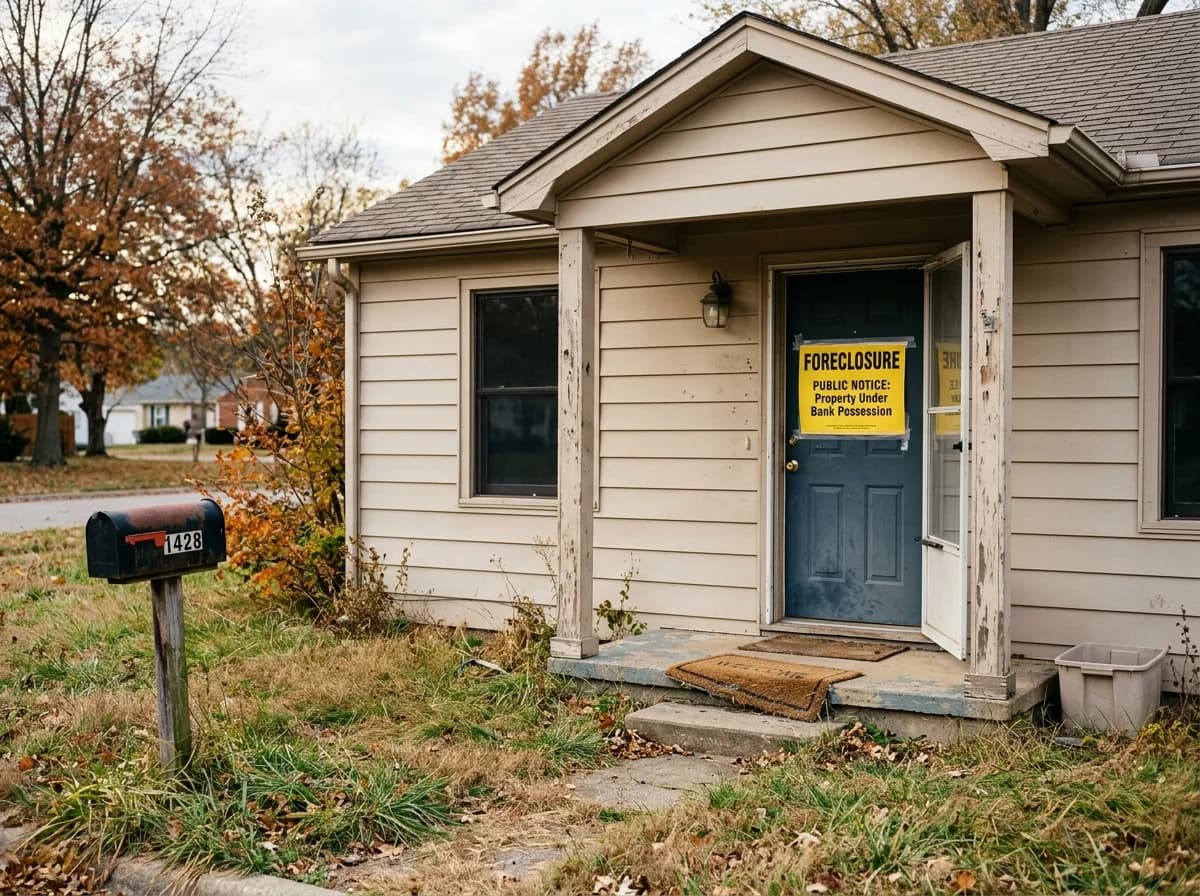
Sub-specialties within this area.
Residential purchase & sale disputes
Breach of the purchase agreement, failed disclosures (Utah and Idaho require a written Property Condition Disclosure for residential sales), earnest-money fights, financing-contingency disputes, specific-performance demands, and inspection-objection failures. The REPC or PSA controls the timeline; missing a contingency deadline often forfeits the right to walk.
Commercial lease & purchase disputes
Commercial real estate runs on freedom of contract — the lease or purchase agreement controls almost everything. Common fights: CAM-charge reconciliations, build-out and tenant-improvement disputes, percentage-rent and audit rights, financing contingencies, build-to-suit delays, anchor-tenant exits. Commercial cases rarely have the consumer protections residential cases do.
Foreclosure defense
Utah, Idaho, and Wyoming all use non-judicial foreclosure under a deed of trust. Utah typically runs at least 90+ days from Notice of Default to sale; Idaho minimum 120 days; Wyoming roughly three months. Defenses can include RESPA / TILA violations, loan-modification mishandling, dual-tracking, lack of authority to foreclose, and procedural failures. If a sale date is set within 30 days, a TRO, reinstatement, or Chapter 13 filing may be the only effective tool.
Title, boundary & easement disputes
Quiet-title actions, adverse-possession claims (7 years in Utah and Idaho, 10 years in Wyoming, with payment of property taxes a key element), boundary-by-acquiescence disputes, prescriptive easements, easement-by-necessity, and title defects that surfaced after closing. If you have a title-insurance policy, the carrier may owe a duty to defend at no cost to you — always check before retaining counsel.
HOA disputes
Covenant enforcement, architectural-committee denials, fine and assessment disputes, governance and board-action challenges, and HOA-foreclosure on assessment liens (Utah and Idaho allow non-judicial HOA foreclosure, which moves surprisingly fast). The CC&Rs and bylaws are the operative contract; what they actually say usually drives the outcome more than what feels fair.
Construction defect (homeowner side)
Defects in new construction or major renovation — water intrusion, foundation settling, stucco failure, roof and window leaks, code violations. Utah's Right-to-Repair Act requires a 90-day written notice and opportunity to cure before suit. Builder warranty terms, statutes of repose (often 6–10 years from substantial completion), and whether the builder is still solvent all shape strategy.
Water rights
In Idaho and Wyoming, water rights are constitutionally protected property rights, separately tracked from real estate and governed by the prior-appropriation doctrine ("first in time, first in right"). Common fights: change applications, beneficial-use forfeiture (the 5-year rule in Idaho), ditch easement and maintenance disputes, well and spring claims, irrigation-share transfers. Utah also recognizes water rights as property but with its own state-engineer process.
Zoning, STR & eminent domain
Short-term-rental (STR) ordinance enforcement is aggressive in Park City, Salt Lake City, Boise, Coeur d'Alene, and Jackson — fines and shutdown orders are common. Conditional-use, variance, and ADU disputes turn on the specific ordinance. Eminent-domain takings (highway, utility, water-project) require fair-market-value compensation; offers are negotiable and a property owner is rarely the only one being underpaid.
Three steps to the right specialist.
Tell us what's happening
A careful AI conversation walks through the facts. Property address and county, your role (buyer, seller, owner, landlord, tenant, neighbor, HOA member), residential vs. commercial, the operative document (purchase agreement, deed, CC&Rs, lease), current status (notice received, hearing scheduled, sale date set, lien recorded), money at stake, and whether you have title insurance or a homeowner's policy that may owe defense.
We identify the sub-specialty
Not just "real estate" — purchase dispute, foreclosure defense, quiet title, HOA fight, construction defect, water rights, commercial lease, zoning. A residential foreclosure-defense attorney is a different fit than a water-rights attorney or a commercial-lease litigator.
Warm introduction to the right firm
We match you to the firm whose case history fits your sub-type. You're introduced, not handed off. The firm knows about your case before they call — and they know any sale date, closing date, or notice-of-default deadline that's already running.
What we'll ask about.
- The property — address, county, residential or commercial, primary residence or investment. Each combination has its own statutory protections and limitations.
- Your role and your opponent's role — the case posture for a buyer vs. a seller, an owner vs. an HOA, a homeowner vs. a builder is entirely different.
- The operative document — purchase agreement, deed, CC&Rs, lease, easement, water-right decree. The document usually controls the outcome more than equity does.
- Current status and any deadline already running — Notice of Default served, closing on the calendar, hearing date set, lien recorded, sale date posted. Real estate cases are deadline-driven.
- Insurance available — title insurance, homeowner's policy, landlord policy, builder's-warranty coverage. Title insurers and homeowner's carriers often owe a duty to defend at no cost to you on covered claims.
- For Idaho or Wyoming property: any water rights at issue, separately from the dirt. Water is a property right with its own filing system and its own statute of forfeiture for non-use.
Deadlines to know.
Real-estate cases run on contract clocks, statutory clocks, and recording clocks — sometimes all at once. A foreclosure Notice of Default sets a non-judicial sale on a fixed timeline (Utah at least 90+ days, Idaho minimum 120, Wyoming roughly 3 months from NOD); a sale date inside 30 days usually means a TRO, reinstatement, loan modification, or Chapter 13 is the only way to stop it. Purchase-agreement contingencies (inspection, financing, appraisal) have fixed objection windows — usually 7 to 21 days from execution — and missing one often forfeits the right to walk. Utah's Right-to-Repair Act requires 90 days' written notice and opportunity to cure before a construction-defect suit. Statutes of limitations: written contracts are 6 years in Utah, 5 in Idaho, 10 in Wyoming; oral contracts are shorter. Adverse-possession and boundary-by-acquiescence clocks run 7 years in Utah and Idaho, 10 in Wyoming — if a neighbor has been using your land openly and notoriously, the clock is running against you. Mechanic's-lien-foreclosure windows typically run 180 days from recording in Utah. HOA non-judicial foreclosure on assessment liens can be surprisingly fast. Earnest-money disputes need to be raised before escrow releases the funds. A lis pendens may need to record immediately to preserve a contested transaction.
What people ask.
Most real-estate work is hourly with a retainer. Hourly rates in Utah, Idaho, and Wyoming typically run $250–$450. Some matters — deed preparation, easement drafting, simple closings — are flat-fee. Foreclosure defense is sometimes flat-fee at the front end. If you have title insurance or a homeowner's policy that owes defense, the carrier pays your attorney. There's no fee for talking to us or for the introduction.
Tell us about your case.
You can upload photos or documents anytime using the paperclip button.
This conversation is not legal advice. Transcripts are recorded by Good Counsel.
By using this chat, you agree to our Terms of Use and Privacy Policy.
Your case isn't shared with an attorney until you're ready.
Cases adjacent to this one.
Business
Contracts, LLC formation, partnerships, business disputes, M&A, compliance, NDAs, construction & commercial matters.
Learn more →Landlord-tenant
Eviction defense, security deposits, habitability, retaliation, lockouts, mobile-home park disputes, Section 8 issues.
Learn more →Estate planning & probate
Wills, living trusts, probate, power of attorney, healthcare directives, will and trust contests.
Learn more →